
Container tracking has matured significantly over the past decade.
Today's IoT devices are more reliable, battery life continues to improve, and connectivity has become increasingly robust across global supply chains. Generating data is no longer the industry's biggest challenge. Creating operational value from that data is.
Many organizations successfully deploy smart containers and gain visibility across their fleets. The more difficult question comes afterwards:
What operational decisions should this data improve?
Without a clear answer, even the highest-quality data risks becoming another dashboard rather than another business capability.
Knowing where a container represents an important step forward. But location alone rarely changes operations. The real value emerges when location is combined with operational context.
Is the container available for the next shipment? Has it remained at a customer site longer than expected? Is it following the planned journey? Has an exception developed that requires immediate attention? Should customer service proactively inform the consignee?
The data itself does not answer these questions. When placed in the right operational context, it can inform the workflow and trigger the appropriate response.
The formula is simple: tracking provides visibility; fleet intelligence enables action.
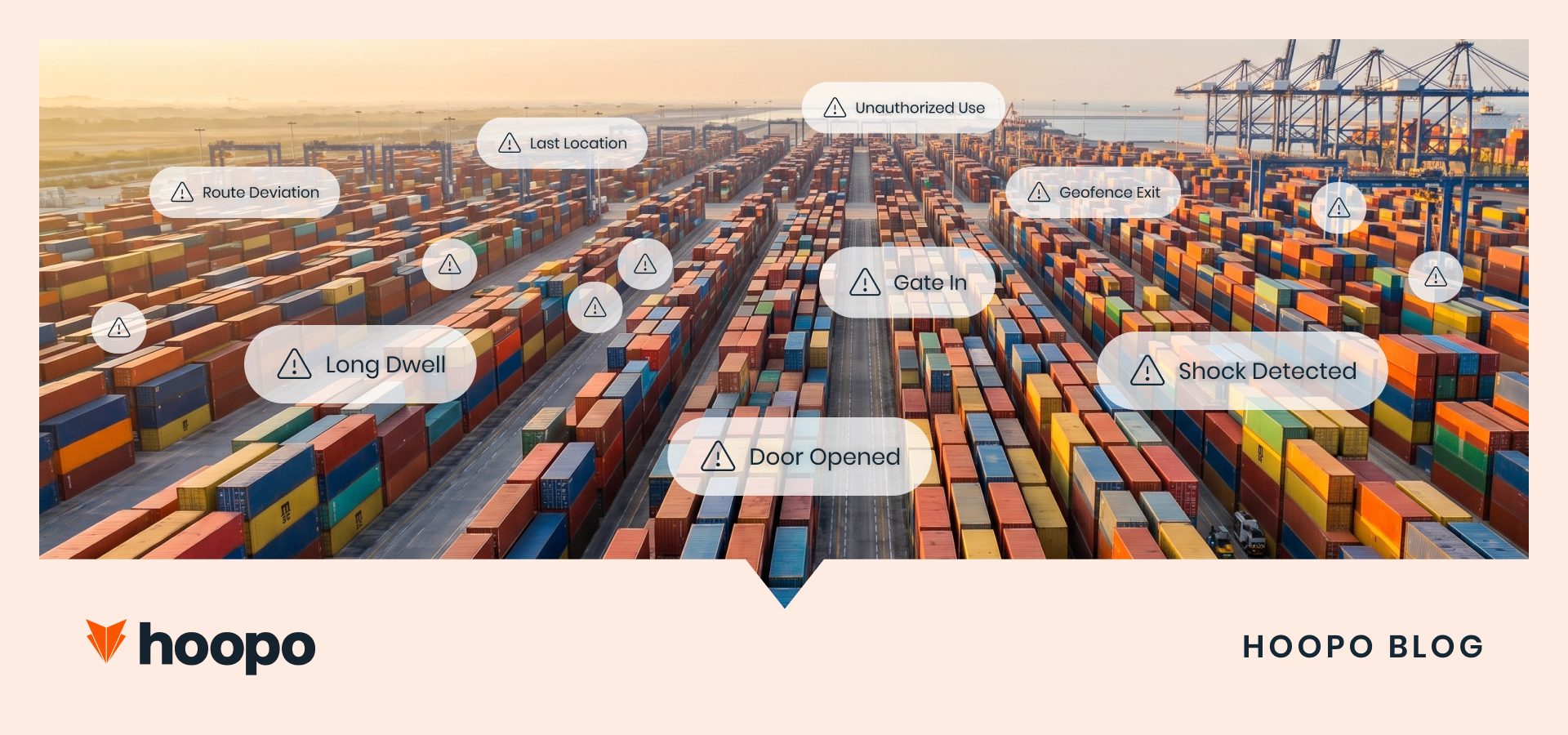
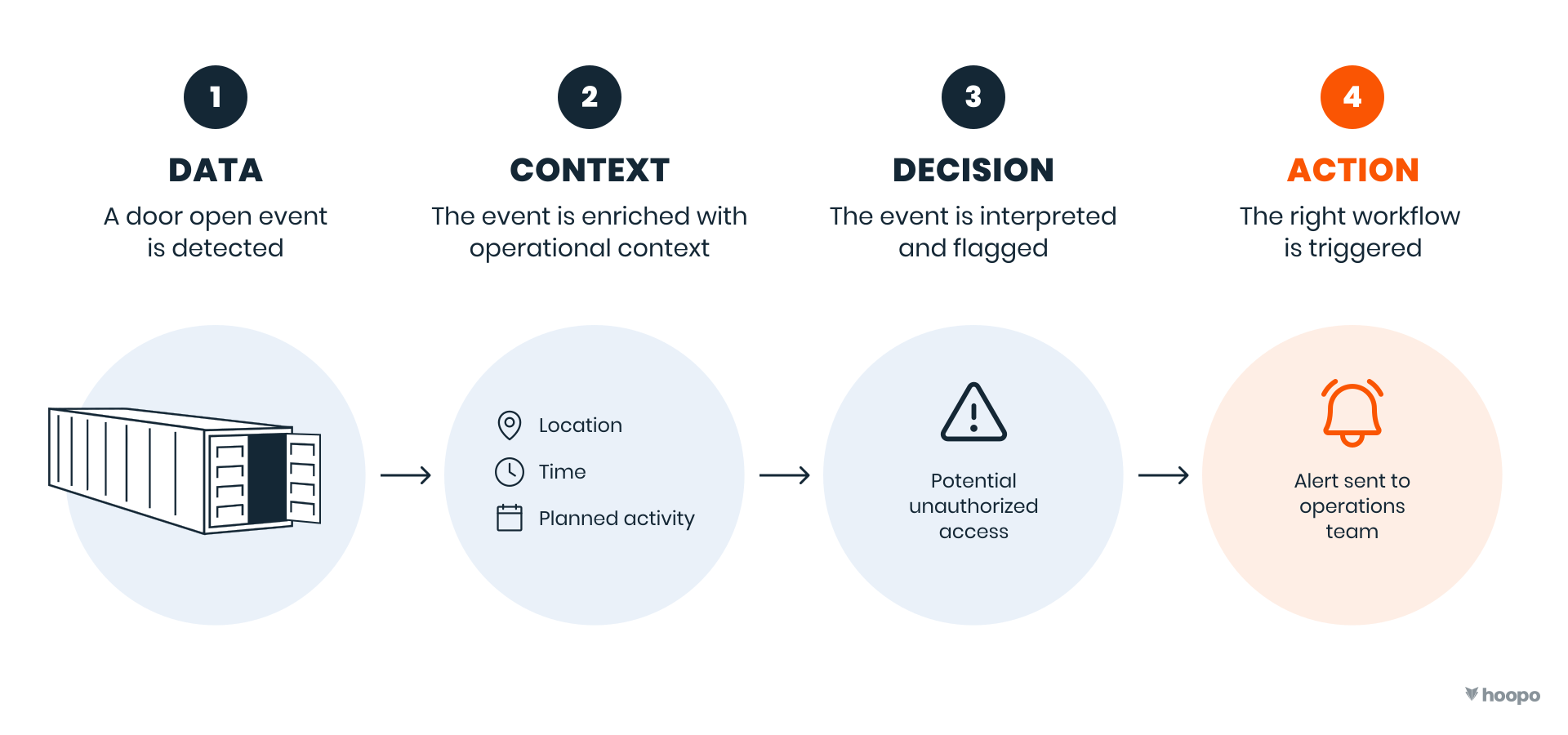
A door opening illustrates the challenge. The event itself is neither good nor bad. For instance, it may indicate customs inspection or it may indicate loading. It may also indicate unauthorized access.
Or it may simply be part of normal operations - without context, the event remains information. With operational context, it becomes a decision. That distinction determines whether digitalization changes the business or simply increases the volume of available data.
Many digitalization projects focus successfully on connecting containers. Far fewer focus on connecting operations. Container data should not remain inside a dedicated tracking platform.
It should support planning systems, transport management, customer service, exception handling, utilization analysis, and operational reporting. When data remains confined to dashboards used by only a limited number of people, the rest of the organization continues making decisions outside the system.
The technology becomes another source of information rather than part of the operational process. Decision making still depends heavily on the personal experience of the person responsible. Human expertise remains essential, but relying on individual experience alone makes decision making difficult to scale and vulnerable to human error.
The objective of container digitalization is not another interface. The objective is embedding reliable field data into everyday decisions.
Container intelligence benefits multiple stakeholders. Let’s take a closer look: shipping lines improve fleet utilization. Leasing companies can gain greater visibility to support asset recovery.
Cargo owners receive better transparency on delays and the quality of the journey. Logistics providers improve service quality. Terminals and inland operators can respond more effectively to exceptions. Each stakeholder captures value differently.
The challenge, therefore, is not whether container data has value, but how to design business processes that allow every participant to benefit from it.
Technology alone cannot solve this. Operational collaboration must evolve alongside digitalization.
One of the most common misconceptions is that installing IoT devices completes a digitalization project. In reality, installation marks the beginning.
Organizations must determine which decisions should become data driven, how responsibilities change, how exceptions are handled, and which workflows can be automated.
This is where digital transformation creates measurable operational improvements. Reliable field data provides the foundation. Operational processes create the value.
The container industry has become increasingly successful at generating visibility. The next stage is transforming visibility into operational infrastructure. That means connecting reliable field data with business processes, operational context, and decision making across the supply chain.
Smart containers are not valuable because they generate more data. They are valuable because they enable organizations to run more intelligent, proactive, and efficient operations.
That is the transition from tracking to fleet intelligence.

Marianna Levtov, PhD