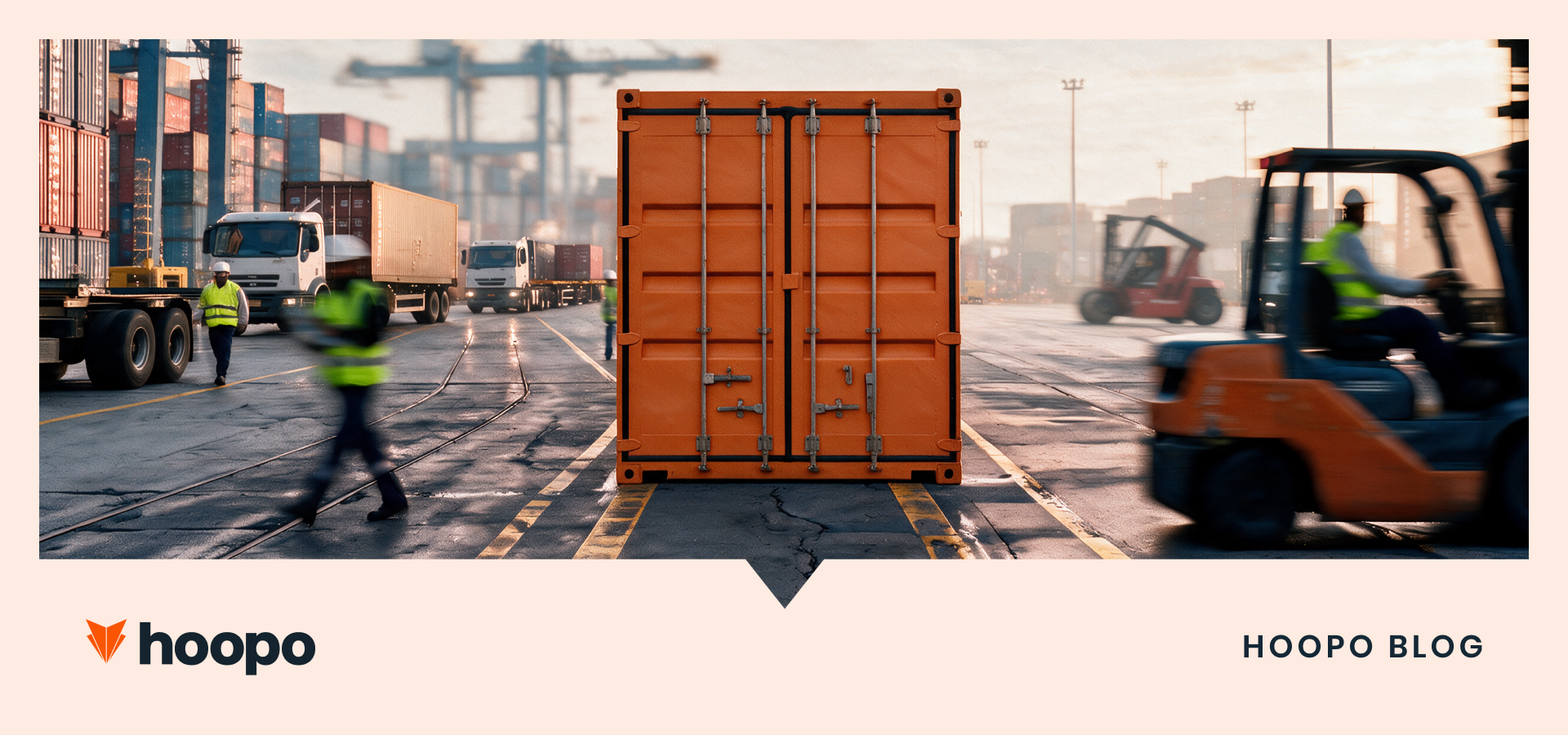
A container remains at an inland facility. Storage charges accumulate. Delivery plans change. One party says the transport arrangements failed. Another says the receiver could not accept the cargo.
Both can point to records supporting their position. Yet establishing a shared understanding of what happened can take considerably longer than the movement itself.
Two successive industry reports about a dispute between a cargo owner and an ocean carrier illustrate this challenge. The first described allegations of inland delivery failures and disputed charges. The follow-up presented the carrier's response, challenging the allocation of responsibility and the information supporting the claims.
What initially appeared to be a story about service failure became a disagreement over what actually happened. Neither account should be treated as an established finding. Together, however, they raise an important question for container shipping:
How can the industry build a clearer picture of what is happening while there is still time to act?
Container digitalization is often presented through a straightforward promise: knowing where the equipment is.
But knowing where a container is doesn't necessarily explain why it hasn't moved.
A container may be sitting at a facility while awaiting cargo release, transport capacity, a collection appointment, or confirmation that the destination can receive it.
Each situation requires a different response. And each may involve different responsibilities.
Smart containers can provide reliable observations of location, movement and, depending on their sensing capabilities, door activity and cargo conditions.
But the real operational value emerges when those observations are connected to shipment records, release status, transport instructions and receiving arrangements.
Knowing where a container is matters. Understanding why it isn't moving, and what needs to happen next, is where fleet intelligence begins.
The value of smart containers shouldn't be measured only by their ability to reconstruct events after a disagreement reaches the claims department.
The stronger business case is identifying problems early enough to do something about them.
Consider a container that remains at an inland facility beyond its expected collection window.
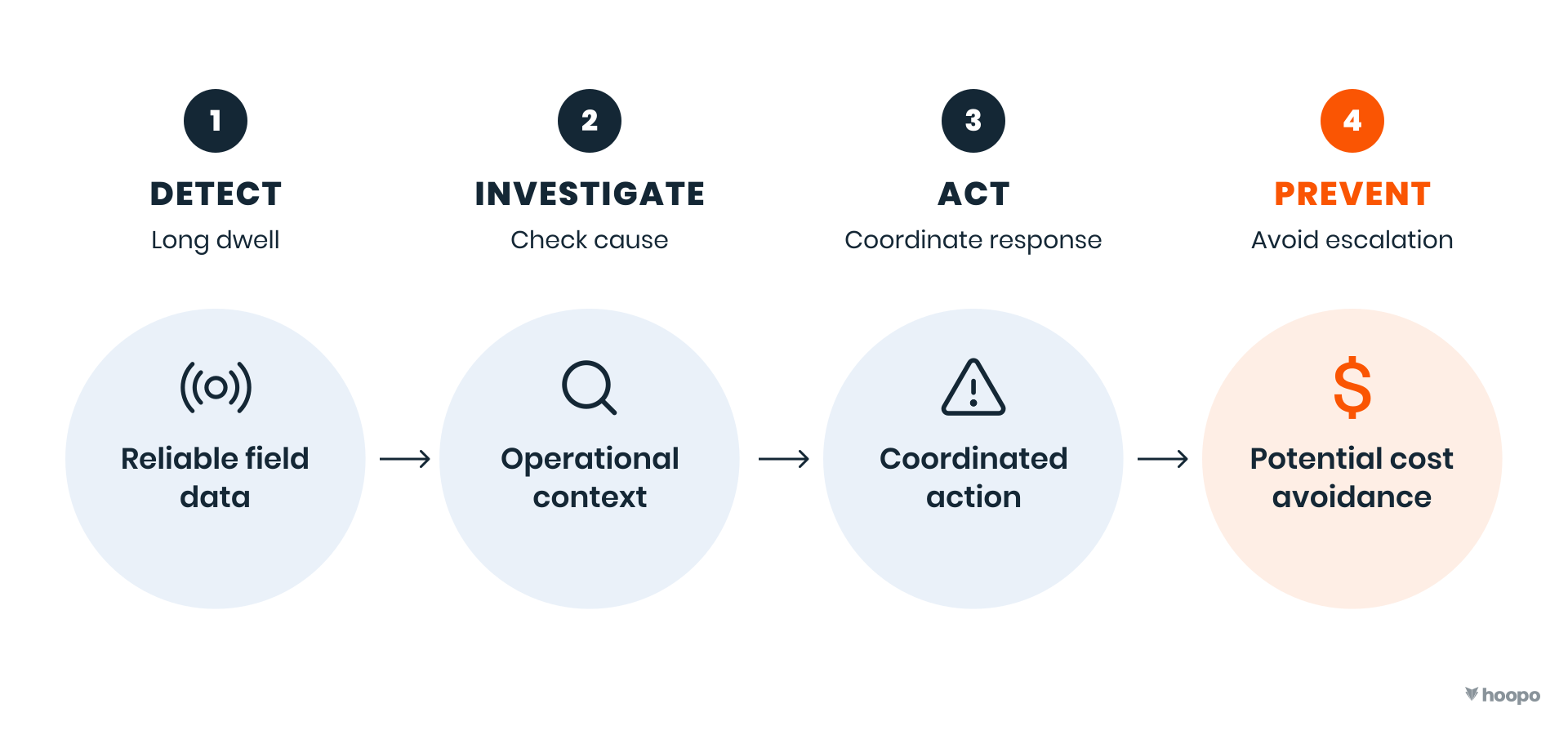
A dwell alert identifies the exception. The responsible team can then investigate: Has the cargo been released? Has collection been arranged? Does the receiver have capacity?
If transport is missing, the team can escalate the collection arrangements. If receiving capacity is constrained, it can coordinate an alternative appointment. If release is blocked, it can investigate the outstanding requirement.
The sensor doesn't resolve these issues. It provides an observation that helps trigger the right investigation.
And that distinction matters.
Reporting frequency and positioning accuracy are important technical measures. But operators should also ask whether the solution helps them identify constraints faster, determine who needs to act, and resolve exceptions before costs escalate.
The real value isn't simply knowing that a container has stopped moving. It's having the information needed to act before the delay becomes a bigger problem.
A Shared Timeline Needs More Than a Container Number
Containers move through many shipments during their working lives. Identifying the asset is therefore only part of the picture.
To understand what happened, the operational record needs to connect the container to the right shipment, journey leg and period.
It must distinguish when an event occurred from when that information reached the system. It should also preserve the source of each observation and make corrections traceable.
Without these connections, even accurate field data can be misunderstood.
For example, a container's departure from a facility may confirm that it moved. But it doesn't automatically tell us which shipment was involved, whether the movement fulfilled an agreed obligation, or whether the receiving party had been informed.
Knowing that a container moved is one thing. Understanding the operational significance of that movement is another.
The objective is to build a reliable operational timeline that connects physical events with the information needed to interpret them.
A container journey involves multiple organizations, each with its own systems, processes and commercial relationships.
Building a shared understanding of what happened requires information that can move across those boundaries.
For buyers, the practical question is whether the organizations handling the container can access the relevant specifications, implement them and exchange usable information.
Restricted access can limit participation, particularly for smaller operators and technology providers.
And an industry standard is only useful if the companies handling the container can actually work with it.
Interoperability requires clear event definitions, consistent links between containers and shipments, agreed access rights, and procedures for correcting conflicting records.
It also requires acknowledging the limitations of the data itself, including connectivity gaps, reporting frequency and data quality.
Trust doesn't come from assuming every data point tells the full story. It comes from understanding what the data establishes, what remains uncertain, and how that information can be shared and used across the operating network.
Smart container data cannot determine contractual responsibility on its own.
A location record doesn't prove that cargo was available for collection. A door event doesn't establish that an agreed delivery obligation was fulfilled.
Those conclusions require additional records and operational context.
But reliable field data can make a significant difference.
It can help narrow uncertainty, establish a clearer sequence of physical events, direct investigations and support more timely decisions.
For container owners, that means better equipment availability, customer service and exception handling.
For cargo owners, it means connecting container movements to receiving plans, inventory requirements and transport commitments.
The lesson from an evolving dispute is that an initial account rarely captures every operational constraint. A stronger factual foundation helps organizations understand what happened, but more importantly, it can help them respond while events are still unfolding.
The goal isn't simply to build a better record of why a container was delayed. It's to give someone the information they need to act before that delay becomes a bigger problem.

Marianna Levtov, PhD